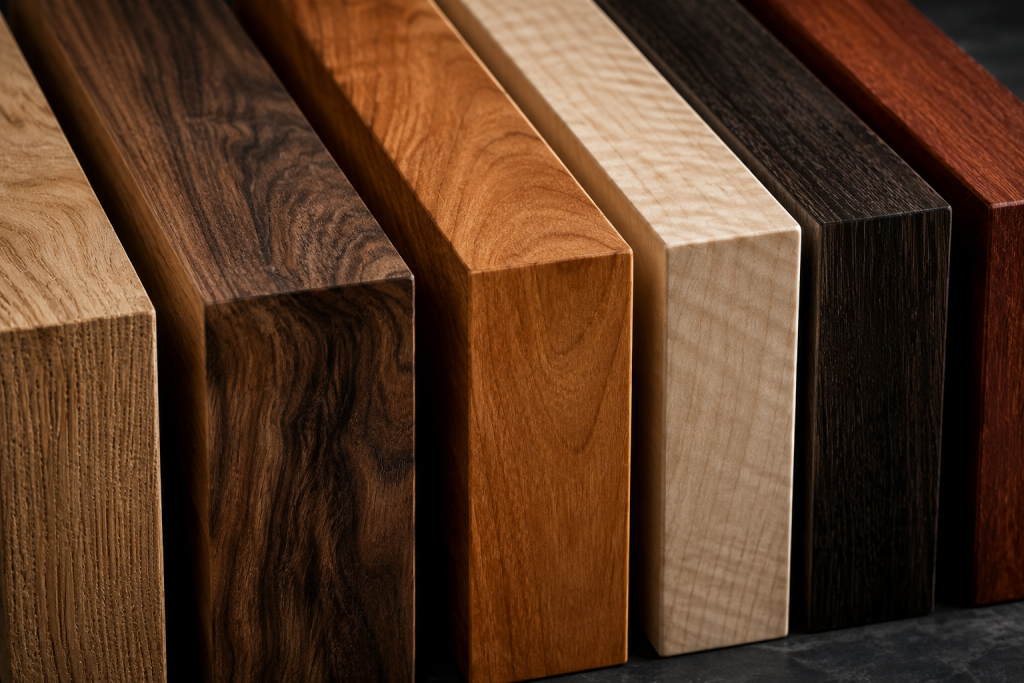
Can You Mix Mango Wood and Oak? Guide to Mixing Wood Tones


There is a massive misconception in interior design that once you choose a timber for a room, you are legally locked into it forever.
If you have oak floorboards, people assume you need an oak coffee table, an oak TV stand, and an oak sideboard. But here is the honest truth: buying matching furniture sets is the fastest way to make your home look like a flat, sterile furniture showroom. It completely strips away the soul of a space.
Interior designers never match their woods perfectly. Instead, they mix them. Combining different timbers—like pairing the deep character of mango wood with the classic grain of traditional oak—is what makes a room feel curated, warm, and built over time. This approach forms the foundation of modern sustainable wood furniture trends, creating spaces that embrace natural materials and quiet luxury.
But there is a fine line between a room that looks effortlessly curated and one that looks like a chaotic jumble sale. To get it right, you just need to follow three simple, unshakeable rules.
Stop Matching the Colour, Start Matching the Undertone
You don't need your timbers to be the exact same shade of brown. What you do need is for them to share the same temperature. Every piece of wood has a dominant undertone, it’s either warm, cool, or neutral.
Warm woods have hints of yellow, orange, or golden honey.
Cool woods have a greyish, ash, or charcoal undertone.
Neutral woods look like a soft beige or muted taupe.
This is exactly why mango wood and traditional oak work so beautifully together. Even though mango wood often features richer, more dramatic grain patterns, both timbers share a comforting, golden-honey warmth at their base. Because they share that baseline temperature, they will naturally look cohesive in the same room, even if one is significantly darker than the other. Understanding these natural characteristics is key when investing in solid wood furniture that is designed to last for generations.

Use a "Bridge" Piece to Anchor the Space
If you introduce a completely new wood tone into a room out of nowhere, it can look like an accident. You need an anchor, something designers call a "bridge piece."
A bridge piece is a single item of furniture that features more than one tone, visually tying the different elements of the room together. For example, a heavy, architectural sideboard featuring a dark, charcoal-stained frame paired with a raw, natural timber top is the ultimate bridge.
The dark frame connects with the deeper elements in your spac, like a dark leather armchair or black metal light fixtures, while the natural top references your lighter oak flooring. It acts as a visual handshake between the different styles, making the mix look completely intentional. This subtle balance of contrasting textures is essential if you are trying to craft a calmer, Scandinavian home environment that feels warm rather than cold.
If you are still trying to decide whether to commit to a new timber type entirely, check out our honest breakdown on the benefits and durability of mango wood to see how it compares to traditional hardwoods in everyday practicality.

Spread the Tones Around the Room
When you mix wood tones, balance is everything. The biggest mistake people make is clustering all of their dark furniture on one side of the room and leaving all the light timber on the other. This makes the space feel visually lopsided.
Think of your wood tones like accents of colour. If you have a dark mango wood sideboard against one wall, you need to repeat that darker tone somewhere else in the space to draw the eye across the room. This rule is highly effective when styling living room furniture ideas for practical, everyday homes.
You don't need to buy another massive cabinet to achieve this. You can easily balance the weight by scattering smaller, earthy accents on the opposite side of the room, like a dark, hand-woven wicker storage basket, a rustic wooden stool, or even a framed piece of artwork with a deeper timber border.
By spreading the tones evenly, the room naturally flows, creating that relaxed, organic minimalist aesthetic where everything feels connected, but nothing feels identical.

Ready to Create Your Perfect Mix?
At the end of the day, your home should feel like it evolved naturally over time, not like it was delivered all at once on the back of a single showroom lorry. By focusing on matching undertones, using smart bridge pieces, and scattering your textures evenly around the space, you can effortlessly blend different timbers to create a home that feels intentionally curated and completely unique to you.
If you are ready to introduce some warmth, grain, and authentic character into your own living space, sneek a peek at our full collection of hand-crafted pieces at the Leather & Down Furniture Store. From statement sideboards to perfectly proportioned accent pieces, we have everything you need to anchor your organic minimalist home.
Frequently Asked Questions
Can you mix mango wood with light oak floors?
Yes, absolutely. Both mango wood and traditional oak share a warm, golden-honey baseline undertone. Because they share the same temperature, a rich mango wood dining table or sideboard will look beautiful and completely intentional sitting on top of a lighter oak floor.
What is the number one mistake when mixing wood tones?
Clustering all the same colours together. People often put all their dark timber pieces on one side of the room and all their light pieces on the other, making the space look visually lopsided. Always scatter your different wood tones evenly around the room to keep the eye moving.
Should your skirtings and doors match your furniture?
No, they don't need to match. Your skirting boards and doors act as the architectural backdrop of the room, not the furniture. If you have light oak doors, you are still completely free to introduce darker mango wood furniture into the space.
How many different wood tones can you have in one room?
Stick to a maximum of two or three. Anything more than three different timbers can start to look chaotic rather than curated. Choose one dominant wood tone to cover the largest surface area (usually your flooring or largest cabinet), and use one or two accent tones to build depth.
What is a "bridge piece" in interior design?
A bridge piece is a single item of furniture that features two different tones or materials in its design (such as a sideboard with a dark charcoal frame and a natural wood top). It acts as a visual handshake, tying the darker accents in your room directly to your lighter elements.