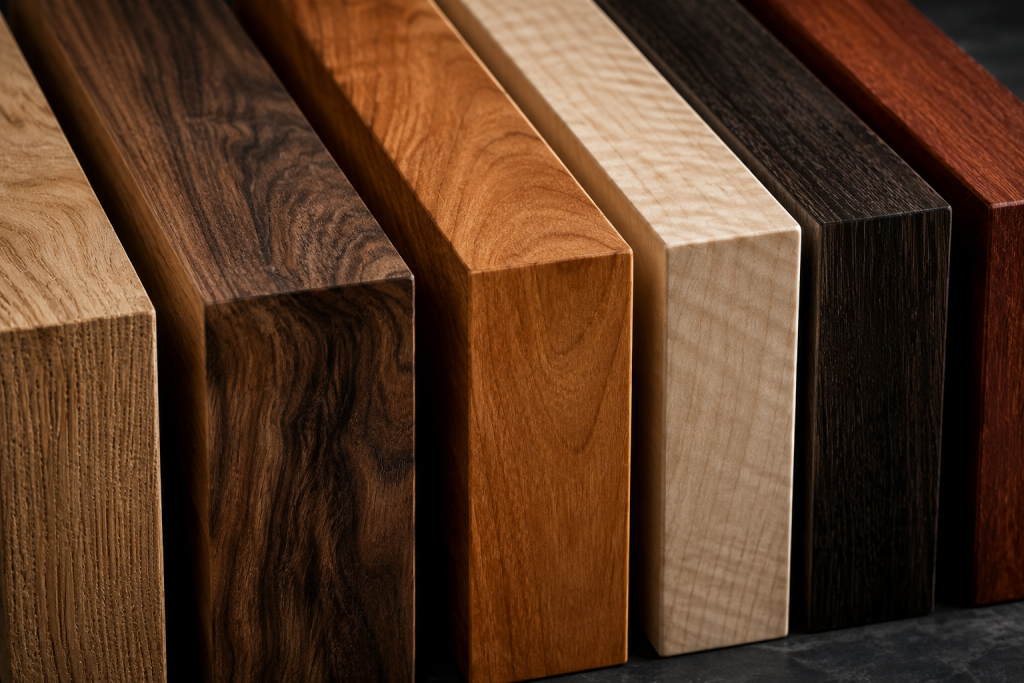
Solid Wood vs Veneer, Which Furniture Is Best?


Choosing furniture for your home used to be a simple, once-in-a-lifetime event. You visited a local maker, picked a timber, and that piece stayed in your family for three generations. Today, the market is a different beast. It is flooded with high-definition photography and clever marketing that makes budget materials look like premium heirlooms.
If you are currently staring at two different price tags for what looks like the same chest of drawers, you are standing at the crossroads of temporary and timeless. To be a savvy buyer in 2026, you need to look past the polish. Understanding the structural integrity of your furniture is the difference between buying a centrepiece for your home and buying a future piece of landfill.
The Reality of Modern Furniture Construction
The term furniture has become a broad umbrella. On one end, you have traditional craftsmanship using solid planks of timber. On the other, you have industrial manufacturing that uses chemical binders and wood by-products to mimic the look of the real thing.
Most people don’t realise that the Oak or Mango furniture they see in big-box retail stores is often just a thin skin of wood glued onto a core of compressed sawdust. This isn't necessarily a scam, but it is a massive compromise on quality. When we talk about making your home a sanctuary, we are talking about the tactile, heavy, and reliable nature of real materials. To get there, we first have to understand exactly what we are fighting against in the fast furniture world.

Understanding Wood Veneer and Why it Dominates the High Street
Veneer is the industry’s way of stretching a single tree as far as humanly possible. To create it, a log is rotated against a massive blade, peeling off a layer of wood that is often less than one millimetre thick. This skin is then glued onto a base of Medium Density Fibreboard (MDF) or particleboard.
From a marketing perspective, brands love veneer because they can technically use the word Real Wood in their descriptions. While the top one per cent of the product is real, the remaining ninety-nine per cent is a cocktail of glue, resins, and wood waste. This is why veneer furniture is so lightweight and, more importantly, why it is so cheap to produce.
The problem with veneer isn't how it looks on day one. It’s how it looks on day one hundred. Because the layer of wood is so thin, it has zero structural memory. It cannot expand or contract with the humidity of a British home. This leads to the common peeling effect you see on the corners of budget desks or dining tables. Once that glue bond fails, the furniture is effectively ruined. You cannot sand it, you cannot plane it down, and you certainly cannot pass it on to your children.
The Hidden Strengths of Solid Hardwood
Solid wood furniture is exactly what it says on the tin. If you were to saw a solid mango wood table in half, you would find the same beautiful, dense grain all the way through the core. At Leather & Down, we focus on hardwoods like Mango because it offers a level of density that synthetic boards simply cannot match.
Solid wood is a living material. It breathes. It responds to the atmosphere of your room. While this means it requires a bit of care, like keeping it away from a direct radiator, it also means it is incredibly forgiving. If a solid wood piece gets a deep scratch from a move or a watermark from a careless guest, it isn't a death sentence. A bit of light sanding and a fresh coat of wax brings the piece back to life. This repairability is the hallmark of a real player in the furniture market. It’s the difference between a product and a possession.

The Enviromental Impact of Your Choice
In 2026, sustainability isn't just a buzzword. It is a necessity. Many people assume that because veneer uses less wood, it must be better for the planet. The reality is quite the opposite.
Veneer and flat-pack furniture are notoriously difficult to recycle. Because the wood is bonded to MDF with heavy chemical glues and formaldehyde resins, these pieces cannot be easily broken down or composted. They are essentially plasticised wood. When a veneer table breaks, it usually ends up in a skip.
Solid wood is the ultimate carbon store. A solid mango wood cabinet has trapped carbon inside its fibres for decades. Because it lasts for forty or fifty years instead of five, the carbon cost per year is incredibly low. Furthermore, because it’s a natural material, it is entirely biodegradable at the end of its very long life. By choosing solid timber, you are actively participating in a circular economy that values longevity over constant replacement.
The Cost Per Year Calculation
We often talk about the sticker shock of premium furniture. Yes, a solid wood sideboard costs more than a flat-pack version. But cheap furniture is one of the most expensive things you can buy over a ten-year period.
Let’s look at the numbers. If you buy a veneer dining table for £200 and it becomes unsightly or structurally unsound within four years, which is the average lifespan of budget furniture, you are paying £50 per year for that item. If you buy a solid hardwood table for £800 and it lasts for forty years, your cost is just £20 per year.
The wealthy and the wise have always known this. Investing in quality upfront saves you a fortune in the long run. When you buy from a brand like Leather & Down, you aren't just buying a place to eat dinner. You are buying the end of a replacement cycle. You are opting out of the throwaway culture that costs the average UK household thousands of pounds over a lifetime.

How to Tell if You are Being Sold an Imitation
If you are standing in a showroom or browsing a website, you need to be a detective. Here is how to verify the quality of a piece like a professional.
Check the End Grain
This is the most foolproof method. Look at the edge of a tabletop. On a solid wood piece, the grain should wrap around the edge. If the grain on the top of the table is running horizontally, but the grain on the very edge looks like a different pattern or a repetitive sticker wrap, it’s a veneer. Real wood grain is chaotic and unique; it doesn't repeat.
The Weight Test
This is simple physics. MDF and chipboard are filled with air and glue. Solid hardwoods like Mango and Oak are incredibly dense. If you can slide a large sideboard across a floor with one finger, it isn't solid wood. A real, solid timber piece should feel grounded. It should have a heft that suggests it could survive a house move, a rowdy dinner party, and a decade of daily use.
Examine the Joinery
Look at how the drawers are put together. Real players in the furniture world use dovetail joints, those interlocking teeth you see on the sides of drawers. This is a sign of craftsmanship. In contrast, veneer furniture almost always relies on cam-locks, screws, and glue. If you see silver circular screws holding the sides together, you are looking at a temporary piece of furniture.
Why Mango Wood is the Secret Weapon of Modern Interiors
While Oak has been the king of the UK market for years, Mango wood is the real challenger for 2026. It offers a unique combination of sustainability and aesthetic versatility that makes it perfect for the Leather & Down philosophy.
Mango trees are grown for their fruit. Once the trees reach about 15 to 20 years of age, they stop producing quality fruit. Traditionally, these trees were burnt or left to rot to make room for new saplings. By using this timber for furniture, we are using a by-product of the food industry.
Beyond the eco-credentials, mango wood has a spalted grain. This means it features a variety of colours, from golden browns to hints of grey and even pink. This natural variety means a mango wood piece fits into almost any interior design scheme, from industrial lofts to traditional country cottages. It is a hardwood that is as tough as Ash or Oak but with a much more interesting personality.
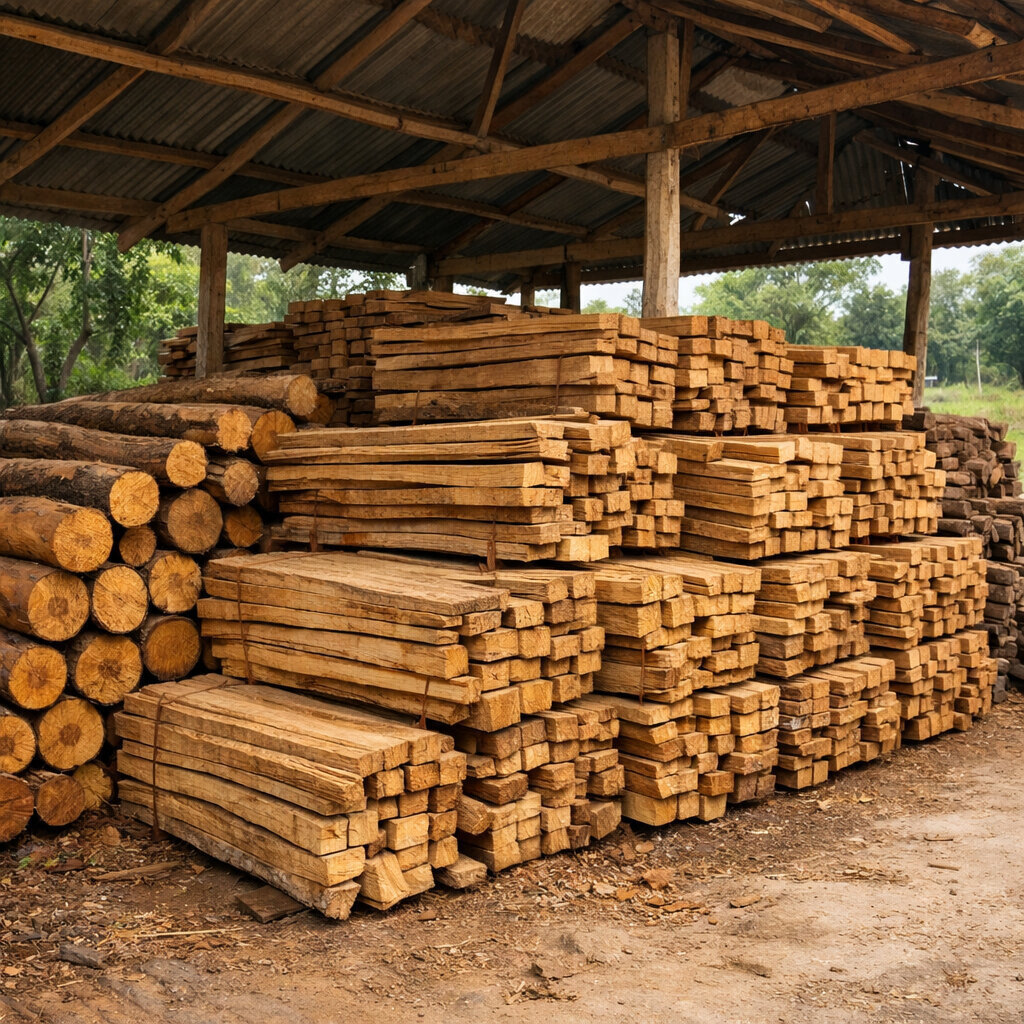
Caring for Your Investment
If you choose to go the solid wood route, you are entering into a relationship with your furniture. It doesn't ask for much, but a little care goes a long way.
Unlike veneer, which just needs a wipe with a damp cloth, solid wood thrives on natural oils and waxes. Every six months, a quick buff with a high-quality beeswax will keep the wood hydrated and protected from the drying effects of central heating. This isn't a chore; it’s a ritual that deepens the patina of the wood. Over time, your furniture will actually look better than the day it arrived. It will have a glow that a factory-finished veneer can never achieve.
The Final Verdict on Quality
There is a place for veneer in the world. If you are a student in a temporary flat or you need a quick shelving fix for a cupboard, budget materials serve a purpose. But if you are building a home, a place where memories are made, where families gather, and where you want to feel a sense of permanence—there is no substitute for solid wood.
The furniture you surround yourself with tells a story about your values. Choosing solid timber and real leather says that you value craftsmanship over convenience. It says you care about the planet and the legacy of the objects in your home.
At Leather & Down, we don’t just sell furniture. We sell the peace of mind that comes with knowing you’ve made the right choice. Our Mango Wood and Oak collections are designed to be the antidote to the fast-furniture craze. They are heavy, they are honest, and they are built to last a lifetime.
Shop the Solid Wood Collection
Now that you know the difference, it’s time to see it for yourself. Take a look at our range of handcrafted, solid timber pieces and feel the difference that real materials make. Don’t settle for a sticker when you can have the soul of the tree.
Frequently Asked Questions About Solid Wood and Veneer
Is veneer real wood?
Technically, yes. A veneer is a paper-thin slice of genuine timber, but it is only the "skin" of the furniture. The bulk of the piece is usually made from MDF or particleboard. While it looks like real wood on the surface, it lacks the weight, strength, and repairability of solid timber.
Does solid wood furniture warp?
Solid wood is a natural, "living" material that responds to humidity. High-quality furniture makers account for this by using specific construction techniques that allow the wood to breathe. To prevent warping, you should avoid placing solid wood pieces directly against a radiator or in a damp conservatory.
How can I tell if my furniture is solid wood?
Check the grain on the corners. On solid wood, the grain on the top will continue naturally over the edge. On veneer, the pattern will often "break" or look like a repetitive sticker. You can also feel the weight; solid hardwoods like Mango or Oak are significantly heavier than their veneer counterparts.
Can you sand down veneer?
It is very risky. Because the wood layer on veneer is often less than 1mm thick, you will likely sand through to the MDF core almost immediately. Solid wood, however, can be sanded back and refinished multiple times throughout its life, making it much more durable.
Is mango wood better than oak?
"Better" depends on your style, but they are both high-quality hardwoods. Mango wood is often considered more sustainable as it is a by-product of the fruit industry. It also features a more varied "spalted" grain, whereas Oak offers a more traditional, uniform look. Both are exceptionally durable.
Why is solid wood furniture so expensive?
You aren't just paying for the raw material; you are paying for longevity. Solid wood requires slower seasoning, more skilled joinery (like dovetail joints), and it lasts for decades. When you calculate the "cost-per-year," solid wood is almost always cheaper than buying and replacing cheap veneer every few years.